

From the glass teat to a digital pacifier
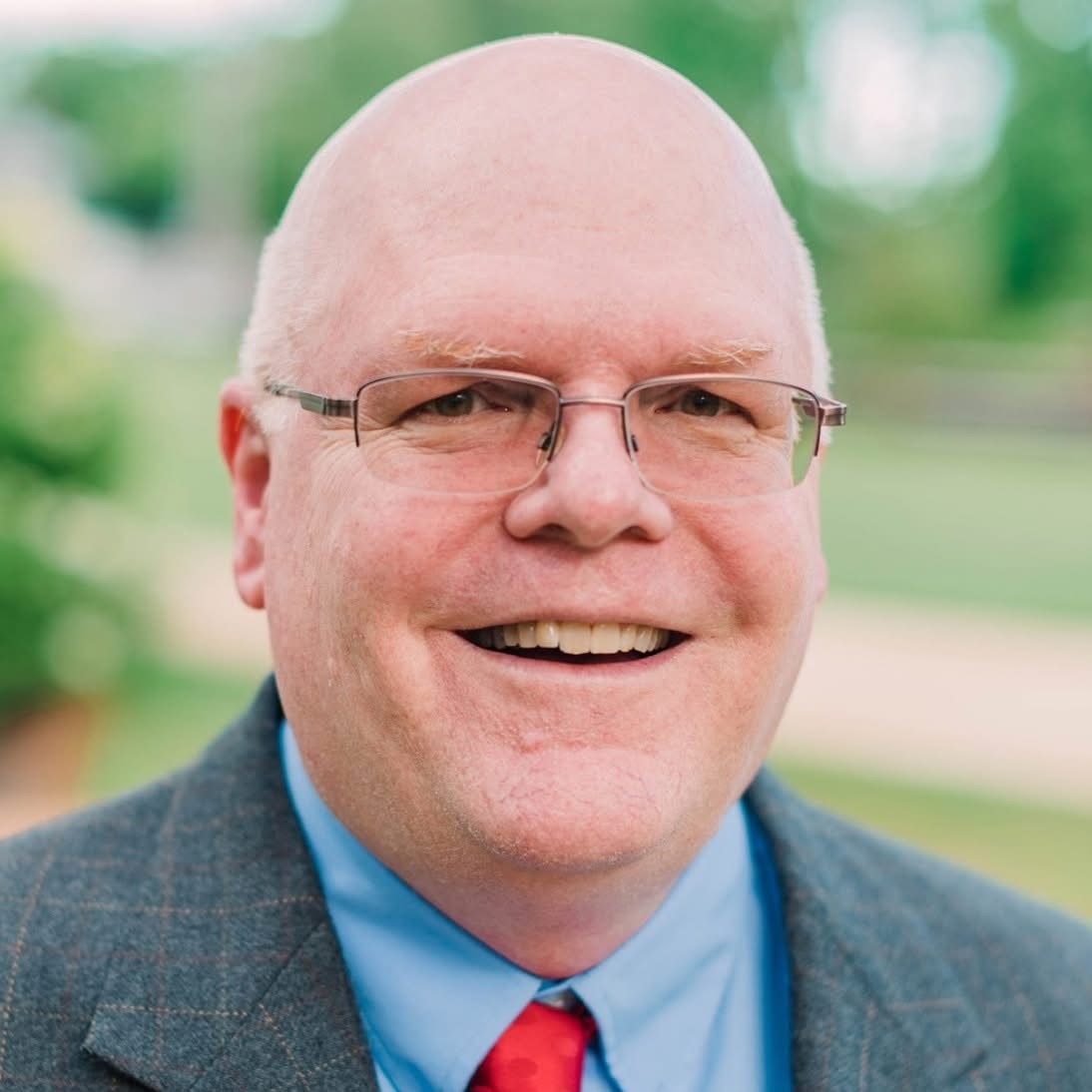
By Ron Humphries | Contributing columnist to The Shelby Independent

OPINION - Being a boomer and a member of the original TV generation, I watched my share of television as a child. We only had four channels, and TV time was mostly limited to evening news, family shows, and Saturday-morning cartoons. If the sun was shining, playing outside was the preferred form of entertainment. While lifestyles, particularly in rural areas, limited the negative effects of TV time, warnings framing TV as “the plug-in drug” were sounding. In 1970, Harlan Ellison critiqued television in his book, The Glass Teat, describing it as “a corrupting, pacifying, and addictive force that effectively functions as an electronic surrogate mother for an emotionally stunted society.” In general, he characterized TV as a medium that nourishes its audience with a superficial diet, leading to a passive consumption of mediocrity. In 1973, Frank Zappa echoed similar sentiments in his song I’m the Slime, which he wrote from the perspective of “the slime oozin’ out from your TV set” itself, proudly boasting about brainwashing the public, controlling minds, and feeding viewers "garbage."
Today, after decades of technological advancements, we find ourselves navigating a much more treacherous entertainment landscape dominated by social media, a “digital pacifier” that not only feeds our cravings for instant gratification but also contributes to an undeniable precipitous decline in critical thinking, communication, and interpersonal relationship skills.
Ellison warned that television dulled our senses, lulling us into complacency with a constant stream of entertainment that replaced meaningful engagement. Today, social media exacerbates this by transforming passive viewers into active participants in a spectacle that prioritizes clicks and likes over depth. The algorithms that govern social media feeds curate content tailored to our preferences, creating echo chambers that reinforce our existing beliefs rather than challenging them.
As we scroll through carefully crafted posts and trending hashtags, we risk losing the ability to engage in thoughtful discourse. The rapid-fire nature of social media encourages reaction over reflection, favoring sensationalism and viral moments over nuanced discussions. The art of critical thinking, once fostered through diverse viewpoints and in-depth analysis, is increasingly overshadowed by the allure of quick dopamine hits.
We are walking mindlessly down a path where the societal costs could be catastrophic. While falling short of the dystopian futures portrayed in sci-fi novels, we can envision a world in as little as a decade where misinformation reigns supreme and the very concept of truth becomes a relic of the past. Young people, raised on a steady diet of superficial content, may struggle to discern fact from fiction, leading to a citizenry that is more easily manipulated and divided.
Imagine a society where political discourse is reduced to sound bites and memes, where complex issues are oversimplified into shareable graphics, and where the public’s ability to engage in reasoned debate is nearly extinct. In this dystopian landscape, civic engagement could decline, as individuals become more absorbed in their curated online identities than in the realities of their communities.
The ramifications extend beyond individual behavior; they touch on the foundations of democracy itself. If citizens cannot critically assess information and engage with differing viewpoints, the democratic process is at risk. The polarization we see today could worsen, leading to societal fragmentation and unrest.
Fortunately, heightened awareness of these issues is gaining traction, thanks to books like Jonathan Haidt’s The Anxious Generation, which explores the mental health crisis stemming from social media use, and recent developments like Meta’s half-billion-dollar settlement with the State of North Carolina, which addresses the harm caused by its platforms.
How, then, can we neutralize this algorithmic onslaught?
To take advantage of the rising awareness of the dangers in our current digital landscape, we should promote media literacy. Parents, churches, schools, and community organizations should prioritize media literacy programs that teach individuals, especially young people, how to engage with content critically. Understanding the mechanics behind algorithms and recognizing bias in media can empower users to make informed choices.
We need to encourage open dialogue by fostering environments that welcome diverse viewpoints, helping counteract the isolation of echo chambers. Initiatives that bring people together for discussions, whether in person or online, can create spaces for meaningful exchange.
Contacting our elected officials and advocating for transparency and accountability in tech companies can help ensure that platforms prioritize user well-being over profit. Supporting legislation that holds these companies responsible for the impact of their products is crucial.
Social media is not inherently evil; it’s a tool, like a hammer, that we can use to build or demolish. We should actively seek out and share content that challenges our perspectives and encourages critical thinking. Seek out and take advantage of teachable moments. Engaging with diverse voices strengthens us and can help broaden understanding and foster empathy.
In a digital world engineered for addiction and distraction, reclaiming our cognitive autonomy is no longer optional. The responsibility lies with each of us to challenge the narratives presented to us, seek out diverse perspectives, and engage in meaningful dialogue. If we fail to do so, we risk becoming a society that, like the passive viewers of Ellison’s era, accepts the “glass teat” or “digital pacifier” without question, forsaking the richness of critical thought for the empty calories of distraction.
It is time for us to stop passively consuming and unquestioningly sharing media content and start actively shaping it. The future of our society depends on it.

Ron Humphries is a resident of Cleveland County and a contributing columnist for The Shelby Independent.


Comments