

Truth in News: Rediscovering the Founding Fathers' vision for the press in the social media age.
Updated: Aug 19
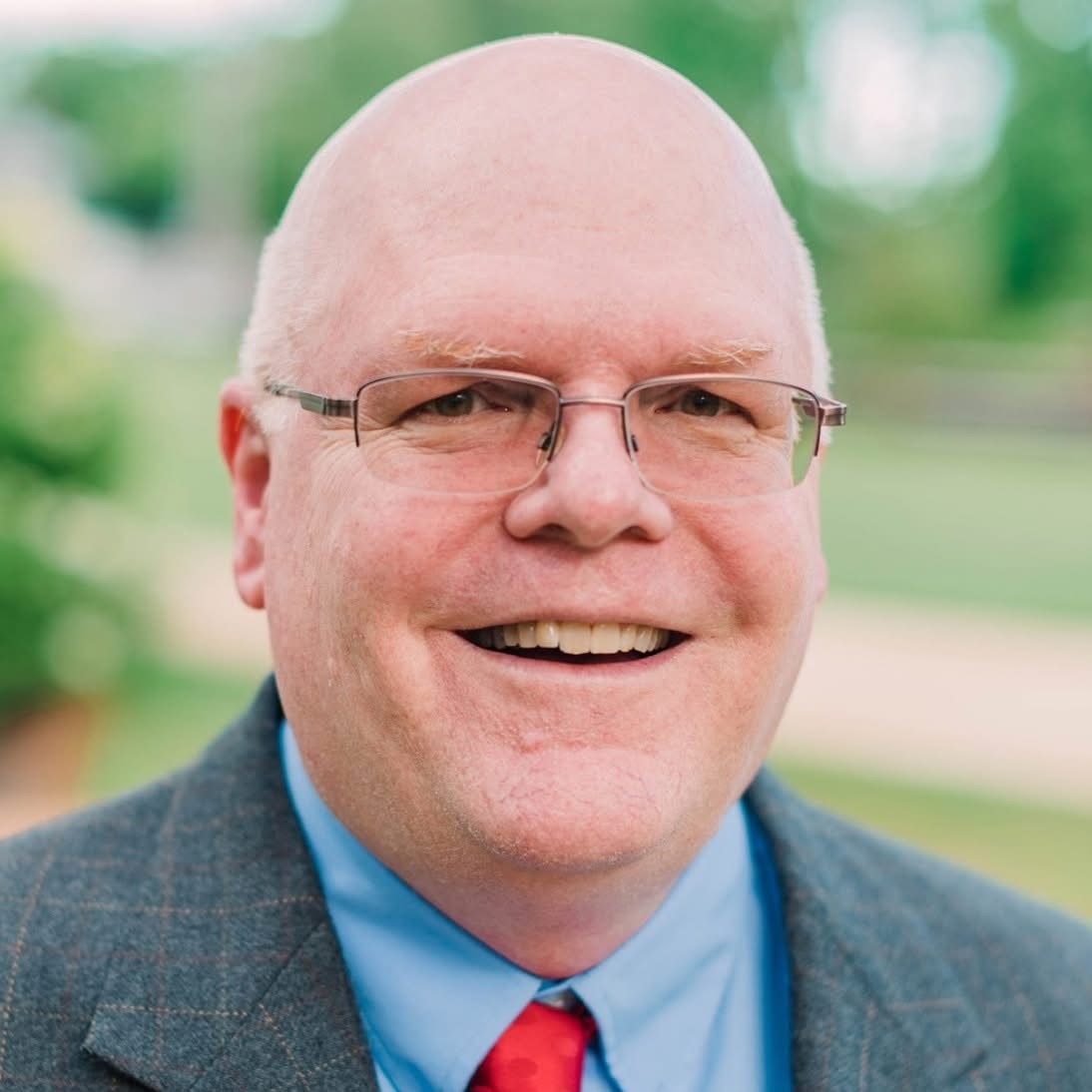
By Ron Humphries | Contributing Columnist for The Sunday Column

OPINION — Growing up in an era defined by black-and-white TV news broadcasts, I vividly recall the authoritative voice of Walter Cronkite, whose signature sign-off, "And that's the way it is," epitomized his commitment to pure journalism. The role of the Press was pivotal in shaping democracy, and the Founding Fathers understood this, viewing a free press as essential for an informed citizenry and a healthy government. In fact, Thomas Jefferson and Benjamin Franklin championed the Press as a means to hold power accountable and facilitate meaningful debate. Yet today, as we navigate an increasingly complex media landscape, it's clear that their vision is at risk of being shattered. The shift from objective journalism to opinion-driven content, fueled by social media, creates significant challenges that could undermine the democratic principles they fought to establish.
The Founding Fathers saw the Press as a tool for educating the public. They believed an informed public was vital for making sound decisions. They saw the Press as a bridge, connecting citizens to government actions and societal issues. Its key role, facilitating public debate and allowing for the exchange of different perspectives, is essential for developing thoughtful opinions.
In addition, they saw the Press as a critical watchdog against tyranny. By exposing corruption and government overreach, a free press protects individual rights and liberties. In their eyes, it was indispensable for empowering citizens to challenge authority and advocate for their rights, nurturing a sense of unity across a diverse population.
Fast forward to today, and the media landscape looks drastically different. The transformation from objective reporting to opinion-driven journalism has accelerated, largely due to the rise of social media. Untrained voices, many with nefarious motivations, often dominate these platforms, spreading misinformation and sensationalized narratives without the rigor of professional journalism. This erosion of objectivity would likely concern the Founding Fathers, who highly valued credible sources of information.
Social media algorithms exacerbate the problem by curating content that aligns with users' existing beliefs, creating echo chambers. These environments reinforce misinformation and bias, preying on less informed individuals. The potential for social media to become a propaganda tool is alarming; misinformation can spread rapidly, shaping public opinion and undermining trust in institutions.
The dangers of these social media silos cannot be overstated. They isolate individuals, exposing them only to opinions that mirror their own, leading to a distorted perception of reality. This fragmentation poses a significant threat to the unity and engagement necessary for a functioning democracy.
So, how can we return to the Founding Fathers' vision? First and foremost, we must cultivate critical media literacy. This means learning to evaluate sources, differentiate between opinion and fact, and seek diverse viewpoints. Engaging with credible journalism is vital, as is avoiding sensationalized content that distorts our understanding of the world.
Media organizations have lost their way and need to recommit to objective reporting. Upholding rigorous standards of accuracy can help rebuild public trust and foster dialogue across ideological lines. Media literacy campaigns can educate the public about the importance of credible journalism and the dangers of misinformation.
In conclusion, the Founding Fathers envisioned a press that was free, objective, and dedicated to accurately informing the public. As we navigate today's media complexities, recognizing the dangers posed by opinion-driven content and social media silos is crucial. By embracing media literacy, advocating for responsible journalism, and promoting open dialogue, we can work toward a media environment that aligns more closely with their original vision. In doing so, we honor their legacy and strengthen the foundations of our democracy.
Read The Sunday Column, every week, only in The Shelby Independent.
Ron Humphries is a resident of Cleveland County and a contributing columnist for The Shelby Independent.
The Sunday Column is made possible thanks to:

The Sunday Column.
The Shelby Independent.


Comments